Back to Blog
High Security Bullet Proof Defense
Bullet Resistant Doors: When High Security is Non-Negotiable
Security Division
Author
2024-07-10
Beyond Standard Security For government buildings, cash-in-transit centers, data centers, and VIP residences, a standard steel door is not enough. The threat profile includes firearms, making **Bullet Resistant (BR) Doors** a necessity.
How Do They Work? It's not just thick steel. 1. **Ballistic Core:** The door is filled with composite materials (kevlar-like layers, ceramic composites, or hardened alloys) designed to dissipate the kinetic energy of a bullet and capture the projectile. 2. **Anti-Spall Layer:** On the safe side of the door, a layer prevents metal fragments (spall) from flying off and injuring people even if the bullet doesn't penetrate. 3. **Frame Armor:** The frame is reinforced with ballistic steel to prevent bullets from passing through the gap between door and wall.
Understanding Ratings (EN 1522/1523)
- FB4: Resists handguns (.357 Magnum, .44 Rem Magnum). Common for jewelry stores, petrol stations.
- FB6: Resists high-powered rifles (7.62x51mm NATO). Used in banks, embassies, military sites.
- FB7: Armor-piercing protection.
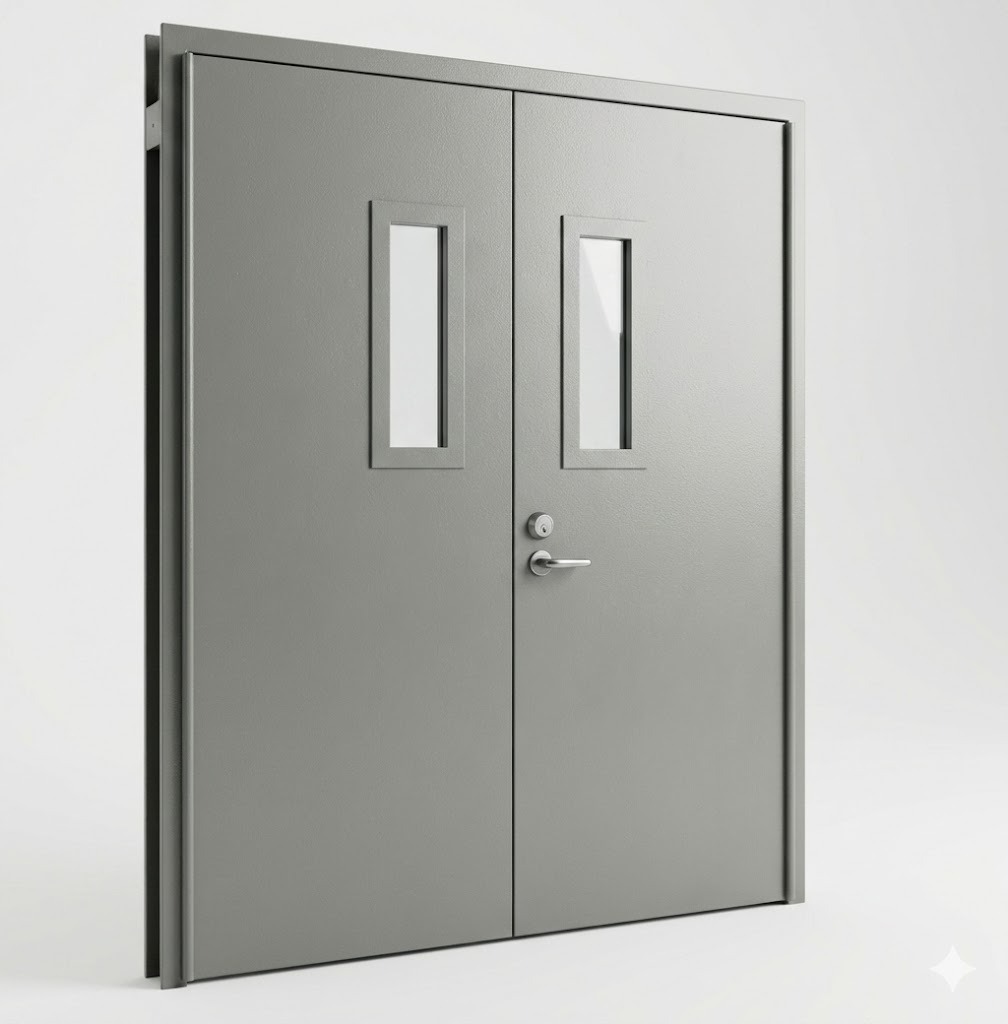
Aesthetics Modern engineering allows bullet-resistant doors to look surprisingly normal. They can be finished with wood veneers or paint, allowing high security to blend discreetly into architectural designs.
FAQ
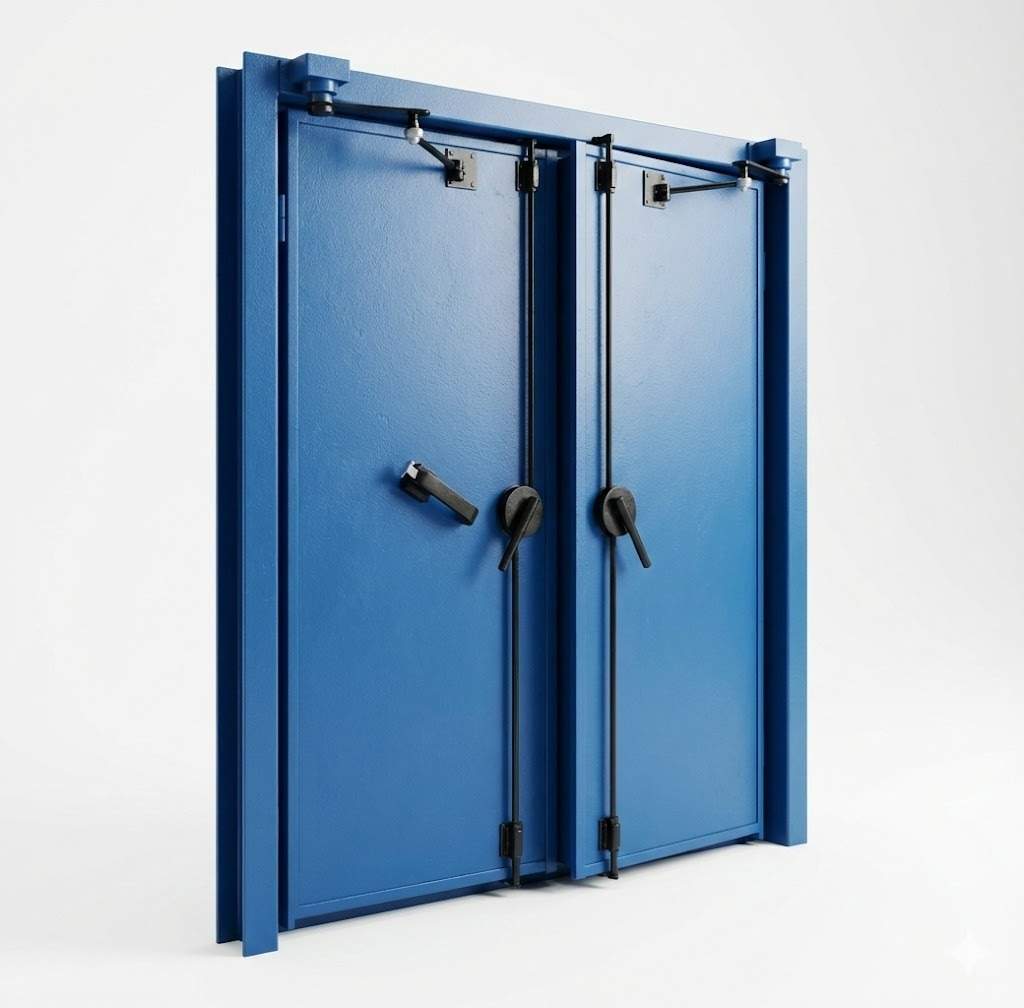
Q: Are these doors incredibly heavy? A: Yes. An FB6 door can weigh over 150kg. They require specialized heavy-duty hinges and often hydraulic door closers to assist in operation.
Q: Can they have windows? A: Yes, using Ballistic Glass (multi-layered glass-polycarbonate laminates) that matches the rating of the door.