Back to Blog
Technical Fire Ratings Education
Understanding Fire Door Ratings: 60 vs 120 Minutes
Technical Team
Author
2024-06-18
Decoding the Rating Fire door ratings (e.g., FD60, FD120) indicate the **minimum duration** in minutes that a door works to withstand a standard fire test failure criteria.
The Criteria: Integrity vs. Insulation 1. **Integrity (E):** The door stays closed and blocks flames/hot gases from passing through. Cracks or gaps must not exceed a certain width. 2. **Insulation (I):** The door limits the temperature rise on the non-fire side (the safe side), ensuring people can pass by without being burned by radiated heat.
60 Minutes (FD60)
- Common Application: Residential apartment entrances, office partitions, server rooms.
- Why: Provides ample time (1 hour) for building evacuation in standard structures.
120 Minutes (FD120) & Above
- Common Application: High-risk areas, basement parking connectivity, lift lobbies in very tall skyscrapers, storage areas for flammable materials.
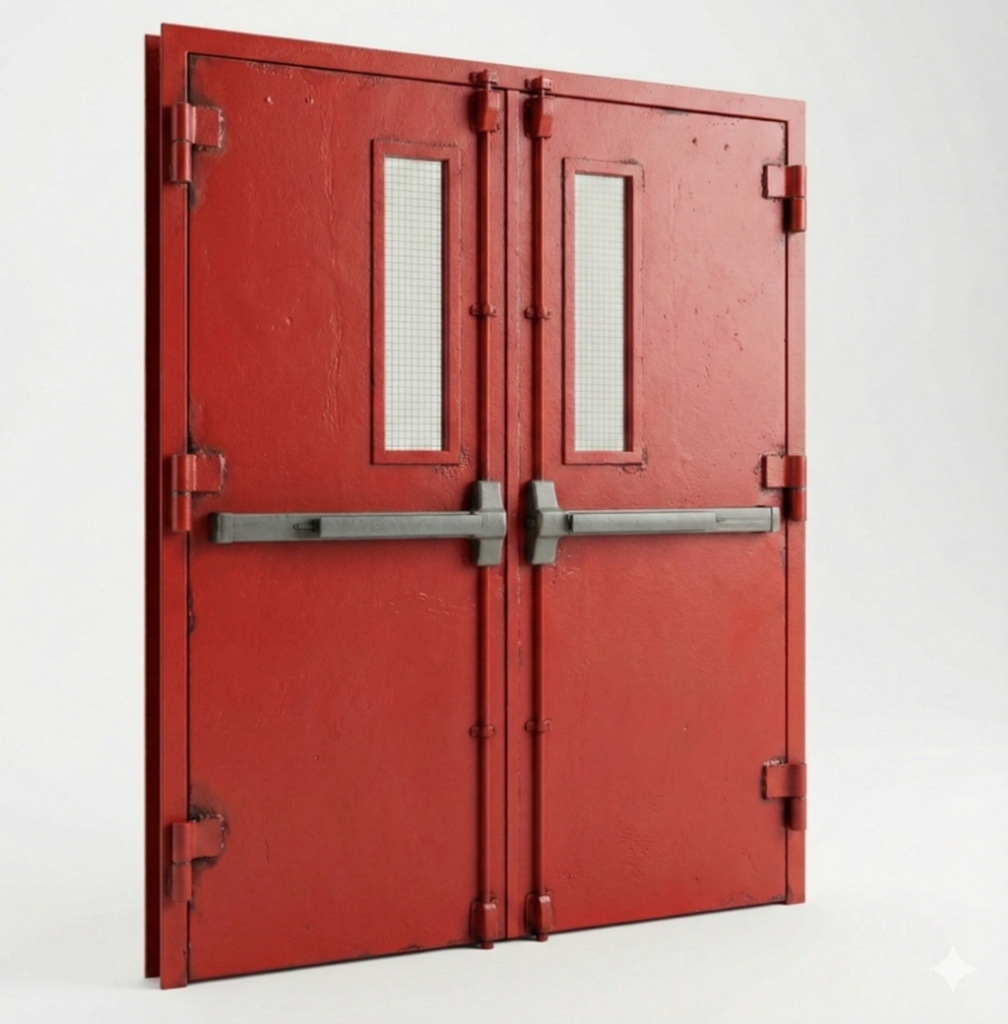
- Why: In complex structures, evacuation can take over an hour; these doors provide an extended safety margin. The 120+ minute doors often use more robust cores (like ceramic fiber or reinforced mineral wool) and thicker steel gauges.
Choosing the Right Rating
- Consult the Fire Officer: The local fire department's "No Objection Certificate" (NOC) requirements will specify the ratings needed for each opening in your building plan.
- Don't Over-Specify Unnecessarily: An FD180 door is heavier and more expensive than an FD60 door. Use the rating appropriate for the risk level of the specific zone.
FAQ
Q: Is a higher rating always better? A: It offers more protection, but it might be overkill for a residential bedroom. Adhere to the NBC code requirements for your specific building type.
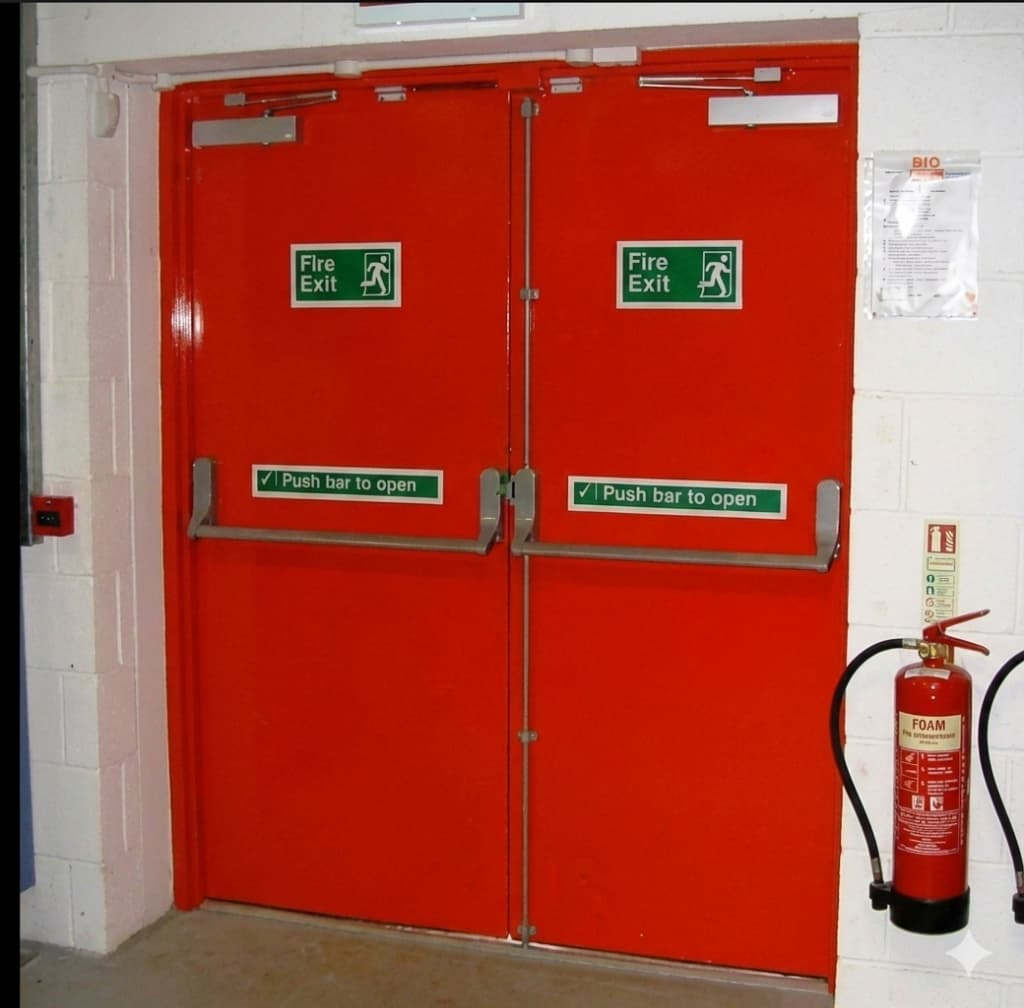
Q: How often should fire doors be inspected? A: Ideally, every 6 months. Check for: gaps, damaged seals, door closer functionality (does it latch successfully?), and physical damage to the leaf.